

Indicator Nymphing Recap: I Had No Idea What I Was Doing


Back in February, I launched Last Cast Life as an outlet for all the extra energy I had from learning as much as I could about fishing for trout in my local waters. Before moving to Tennessee in 2018, I'd only fished salt and warmwater species in Florida. I'd fished for trout after moving here, but never really did my homework on how to do so. Because nymphing was the most foreign to me, and because I was getting started in winter, I decided to start with indicator nymphing.
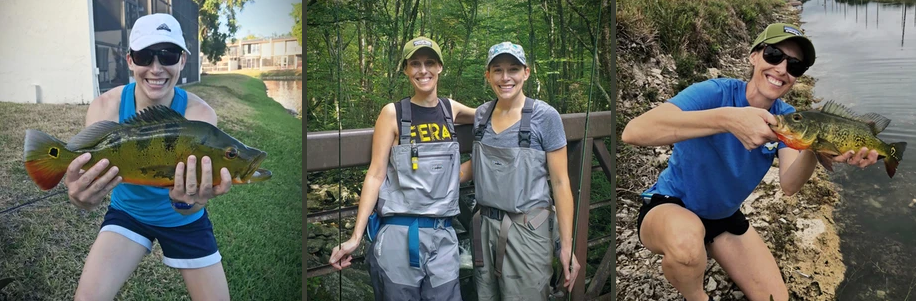
Interestingly enough, my first two outings did not result in skunks. But they were not the result of acquiring skills; they were blind luck. Notice anything these photos have in common? You can see it more in the first photo than the second, but both of these fish were caught on dries. In February.
But my attempts to catch a fish using an indicator nymph rig? Nah, no luck. And it seemed pretty clear to me that either (1) I was not fishing to fish, or (2) I was not detecting strikes. Looking back, I can say now that it was more the former than the latter.
Lesson #1: You Have to Find Fish to Catch Fish
When you're fishing a body of water, it's important to realize that fish are not going to be spread out evenly over what looks like good trout holding water. They're going to pod up and jockey for the best water that they can find. Bigger or more aggressive fish may push others out of prime spots, and they'll redistribute, but when looking for fish, it's important to keep in mind the 80/20 rule. Eighty percent of the fish will be holding in twenty percent of the water (actually, less than that, but you get the idea).
I don't think I truly appreciated the importance of finding fish. I figured, if water looked fishy, it held fish. And, while that can sometimes be true, it's not always. And so rather than moving quickly through water with a searching pattern, I would sit at runs for way too long, convinced that I was doing something wrong and, if I could just get a drift where I did something right, then I'd get a take, I'd detect the strike, and I would learn something.
Lesson #2: Understand What Fish Are Doing
Trout behavior is why fishing for them is so much fun. Trout are finicky. They act way different depending on the time of year, the food available, and the environmental conditions. One thing that I'm still learning is just how far trout will move out of their current position to take a fly. However, I do know now that, in winter, before the major hatches start, trout move very little. They are conserving every ounce of energy, and will not move much to take a tiny nymph.
Not understanding this meant that I was fishing seams in a very general manner. Is the current taking my flies for a ride? Alright, that's good enough. Nope. A seam can be 12-18 inches across, but a winter trout may only take food within 4 inches of its face. As a result, I was not fishing the good water to extent I should have been.
Lesson #3: Wipe Bad Days Off the Books
I made it a point to focus almost exclusively on indicator nymphing. But, sometimes you just need a win, however it comes into your net. So switch to a different presentation style. Get that first fish on the board. If you get skunked, go back out and target another species. By the end of the month, I was feeling frustrated because it didn't seem like I was learning anything. So I chased some warmwater species and broke the skunk.
That's how February panned out. Next week, we'll talk about how March laid the groundwork for some big breakthroughs in April.


Comments